En un entorno digital saturado de competencia, tener un sitio web visualmente atractivo ya no es suficiente. El diseño web amigable con el SEO es clave para destacar en los motores de búsqueda, aumentar la visibilidad y atraer tráfico orgánico de calidad.
Optimizar tu sitio web con palabras clave relevantes, etiquetas meta, títulos adecuados y URLs limpias mejora tu posición en los resultados de búsqueda. Pero eso no es todo: un diseño optimizado también mejora la experiencia del usuario con navegación intuitiva, velocidad de carga rápida y diseño responsive. Estos factores reducen la tasa de rebote y aumentan las conversiones.
Más allá de lo técnico, el diseño visual también juega un rol crucial: una estructura clara, imágenes atractivas y contenido bien distribuido crean una presencia online que impresiona y motiva a los usuarios a seguir navegando.
Creando una Experiencia de Usuario Atractiva
El diseño no solo debe verse bien, también debe funcionar bien para el usuario. Una navegación intuitiva permite que los visitantes exploren el sitio sin frustraciones.
El uso estratégico de llamados a la acción (CTAs) guía a los usuarios desde el interés inicial hasta acciones concretas como comprar o suscribirse. Optimizar la velocidad de carga también es esencial: incluso un retraso de un segundo puede afectar negativamente la satisfacción del usuario. Al utilizar buenas prácticas de codificación, imágenes optimizadas y almacenamiento en caché, puedes ofrecer una experiencia fluida y agradable.
💡 Consejo: Imagina tu sitio web como una tienda física. Un espacio ordenado, acogedor y fácil de recorrer genera más visitas y ventas. Tu diseño debe reflejar eso.
Adoptando un Diseño Web Responsive para Mejor Accesibilidad
Con el uso masivo de smartphones y tablets, el diseño web responsive es imprescindible. Asegura que tu sitio se vea y funcione bien en cualquier dispositivo, desde una computadora de escritorio hasta un teléfono móvil.
Un diseño adaptativo mejora tanto la accesibilidad como el posicionamiento SEO, ya que Google prioriza sitios móviles en sus resultados. Con la indexación móvil primero, ofrecer una experiencia coherente en todos los dispositivos es esencial para generar confianza y autoridad.
💡 Consejo: Piensa en tu sitio como un camaleón digital que se adapta al entorno de cada usuario. Esto no solo mejora la experiencia, sino que también eleva tu posicionamiento.
Optimizando tu Sitio Web para Motores de Búsqueda
El SEO técnico y de contenido es vital. Comienza con una buena investigación de palabras clave, e intégralas estratégicamente en títulos, descripciones, encabezados y textos.
Una estructura clara con etiquetas H1-H6 bien organizadas y una jerarquía lógica facilita tanto la navegación del usuario como el rastreo de los motores de búsqueda. Además, mejorar la velocidad de carga —comprimir imágenes, minimizar archivos CSS/JS, habilitar caché— es clave para un sitio eficiente.
💡 Consejo: El SEO es como un jardín: cultiva las palabras clave y estructura tu contenido para que crezca fuerte, visible y accesible.
Diseño Móvil: Prioridad para la Nueva Era Digital
La navegación móvil no es una opción, es una necesidad. Un sitio amigable para móviles mejora la interacción, reduce la tasa de rebote y eleva tu posicionamiento.
Opta por una navegación simplificada, botones grandes y textos legibles. Un diseño limpio con estructura intuitiva genera confianza y mantiene a los usuarios navegando sin frustraciones.
💡 Consejo: El diseño mobile-first no solo responde a una tendencia; responde a cómo vive y navega tu audiencia hoy.
El Poder del Diseño Profesional de Sitios Web
Colaborar con diseñadores profesionales te permite plasmar la esencia de tu marca en un sitio atractivo y funcional. Estos expertos no solo cuidan la estética, sino también la usabilidad, el SEO y el rendimiento.
Desde la elección de paletas de colores hasta la implementación de tecnologías modernas y diseño responsive, los profesionales crean una experiencia que conecta emocional y funcionalmente con tu audiencia.
El Secreto de una Agencia de Diseño Creativa
Una agencia de diseño web creativa va más allá de lo visual. Escuchan tu visión, entienden tus objetivos y convierten ideas abstractas en plataformas digitales impresionantes. Además, integran estrategias SEO desde la etapa de diseño para maximizar el alcance.
Estas agencias también dominan principios de experiencia del usuario (UX), creando estructuras intuitivas que facilitan la navegación y aumentan la retención.
Soluciones de Diseño Web Asequibles para Pequeñas Empresas
El presupuesto no debe ser un obstáculo. Hoy existen soluciones económicas y de calidad:
Plantillas profesionales: Visualmente atractivas, fáciles de personalizar.
Diseñadores freelancers o microagencias: Con tarifas accesibles y experiencia en pymes.
La clave está en elegir opciones que equilibren estética, funcionalidad y optimización.
Desarrollo Web: De la Idea a la Realidad
El desarrollo web transforma conceptos en sitios funcionales mediante tecnologías como HTML, CSS y JavaScript. Este proceso no es solo técnico, también es creativo: involucra pensar en cómo los usuarios interactúan con el contenido, en cómo guiar su experiencia y mantener su atención.
Cada línea de código es una pincelada que da vida a tu visión.
Conclusión: Diseña con Propósito, Optimiza con Estrategia
Implementar un diseño web SEO-friendly no es solo una buena práctica: es un imperativo para destacar en el competitivo mundo digital.
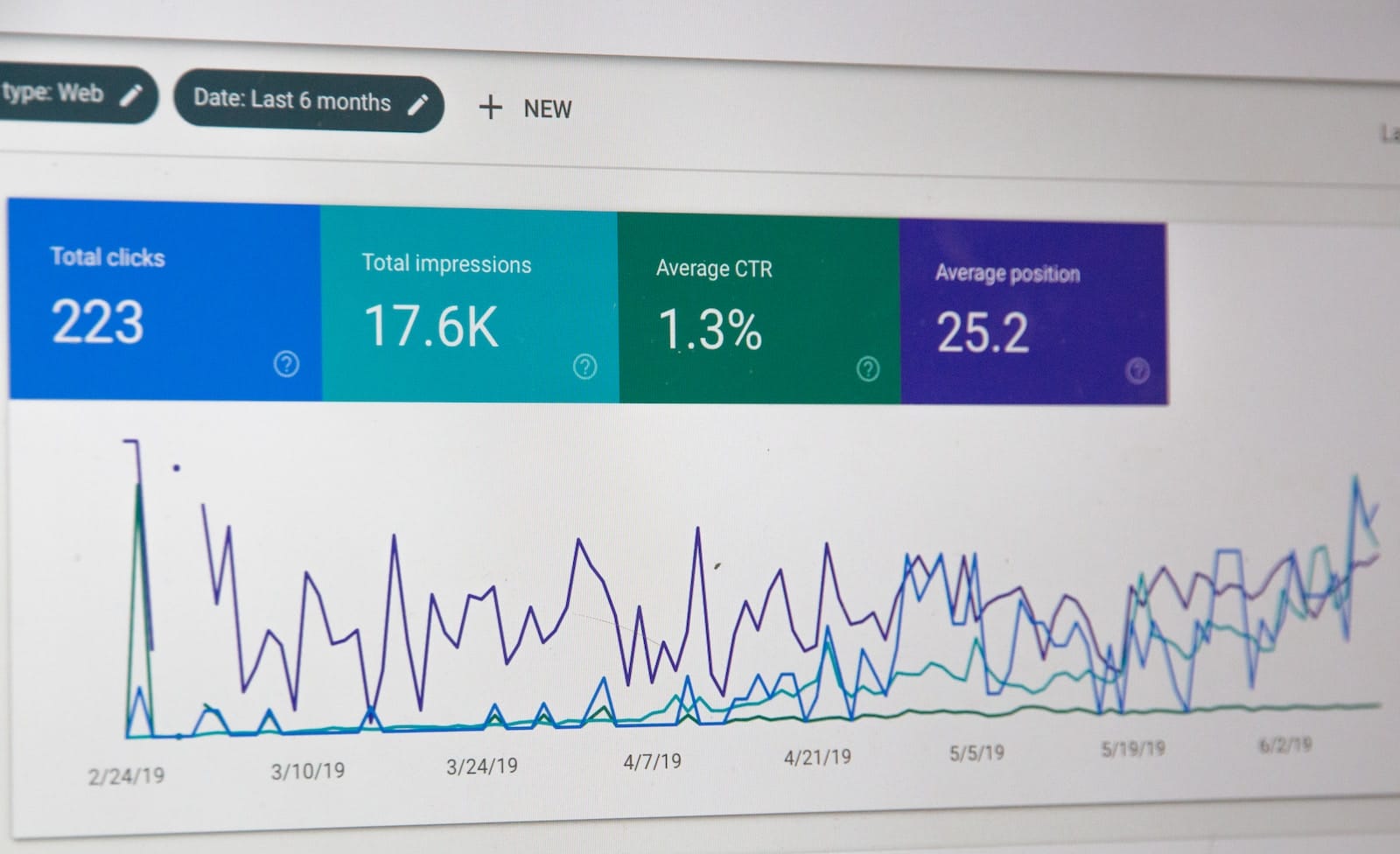
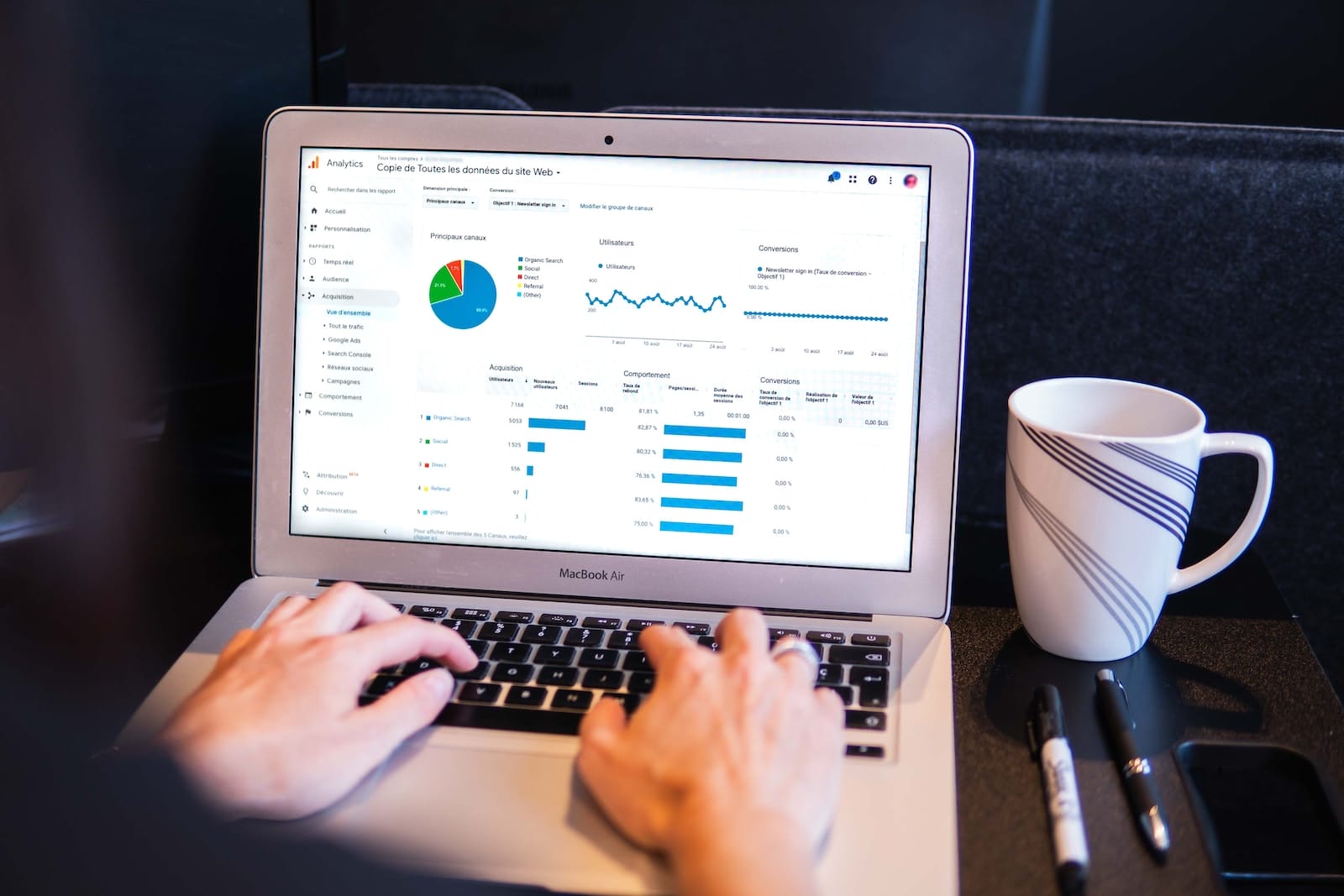
Audita tu sitio actual, identifica oportunidades, y si es necesario, trabaja con profesionales que comprendan tanto el diseño como el SEO. Mantente al tanto de las tendencias, mide resultados con herramientas analíticas y mejora continuamente.
El esfuerzo valdrá la pena: más visibilidad, más clientes, más crecimiento.
¿Listo para llevar tu presencia online al siguiente nivel? Diseña con confianza. Optimiza con intención. Crece con estrategia.
The key to success in the digital age is having a successful website. However, many entrepreneurs and business owners are unaware of the powerful combination of website design and SEO that can help their sites reach the top of search results. Website design and SEO must work together for your website to be seen, engage visitors, and convert leads. Good website design creates an inviting user experience that draws visitors in, while well-implemented SEO strategies ensure that your pages can be found by the right audience.
Website Design & SEO
Website design and SEO are two essential elements of any successful digital marketing strategy. It is important to recognize that the website design process is not complete without a thorough analysis of SEO factors. Proper website design will ensure that users have an enjoyable experience while navigating the site, while effective SEO practices ensure that the right customers have access to your business information.
In order for a website to be optimized for search engines and provide users with an intuitive browsing experience, it must include certain key elements. These elements include ensuring well-structured HTML tags, mobile optimization, meta tags, and creating high-quality content with keywords tailored towards specific search queries. Additionally, backlinks from reputable websites help push your content higher up in the SERPs (Search Engine Results Pages).
Website Design: Visuals & User Experience
Website design is an essential factor for any business in today's digital age. It is important to ensure that your website design conveys the message of your brand clearly, as well as enhances the user experience. Visuals play a large role in creating a successful website that meets both of these objectives.
Visuals can be broken down into two main areas: aesthetic appeal and usability. Aesthetically pleasing visuals create an inviting atmosphere for users and evoke emotions from them instantly, whereas usability-driven visuals provide functionality to the website such as navigation bars, buttons, and search boxes. Additionally, including visuals such as high-quality images and videos on your website can help draw visitors in and keep them engaged longer on the page.
The other aspect of website design is user experience (UX). UX is the process of interacting with a website and all of its elements. It includes how easy it is to navigate, load speeds, and whether or not visitors feel compelled to engage with the information on the page. UX is the element of website design that is typically most overlooked by companies. However, the more a website is user-friendly, the longer a visitor will stay on your page and visit other pages on your site.
SEO: Optimizing for Search Engines
Search engine optimization (SEO) is the process of optimizing a website to ensure it appears higher in search engine rankings. SEO involves improving elements such as content, keyword research, and site structure to improve visibility on search engine result pages (SERPs). With effective SEO, businesses can increase their digital presence by appearing higher on SERPs which drives more organic traffic to their websites.
To properly optimize a website for search engines requires an in-depth understanding of how search engines work. This includes researching relevant keywords and understanding the algorithms used by leading search engines like Google and Bing. It's important for businesses to also track progress so they can evaluate if the changes they're making are helping or hindering performance. If something isn't working well, changes can be made until desired results are achieved.
Combining Website Design & SEO
Combining Website Design & SEO is a great way to increase your website's visibility, gain more visitors and improve search engine rankings. It's important to remember that SEO and website design go hand-in-hand in order to be successful with online marketing. By incorporating elements such as keyword optimization within the content, meta tags and the headings of your website, you can ensure that both users and search engines will be able to find your business quickly. Additionally, making sure that all images have descriptive alt tags allows for maximum optimization of the page. A well-designed website helps ensure visitors have an enjoyable experience when viewing it by providing easy navigation through sections so they can find what they are looking for without any hassle or confusion. Furthermore, having a mobile optimized version of the site ensures that more people will be able to access it from their smartphones or tablets.
Leveraging Content & Local Search
Content and Local Search are becoming more and more important in today's digital marketing landscape. Blogging is an effective way to leverage content and local search to increase website traffic, build trust with customers, and develop a strong online presence for your business.
When it comes to blogging for your web, the key is to create content that is relevant to your target audience. This means focusing on topics that they would find interesting or helpful. Additionally, don’t forget about optimizing your posts for local SEO by including information such as city or town names within the body of the post. Doing this can help draw in those searching from specific geographical areas and increase visibility of your site in SERPs (Search Engine Results Pages).
Additionally, utilizing keywords related to what you offer can also improve SEO by helping search engine algorithms better understand what you have on offer.
Conclusion
In conclusion,website design and SEO are a powerful combination for any business. By taking a holistic approach to website design and SEO, businesses can ensure their websites are found by the right people and look great when they visit. Website design should take all aspects of successful SEO into consideration from the start, such as page titles, meta descriptions, content layout, and internal linking. Businesses should remember to create content that is optimized for both users and search engines so that their website can reach its full potential.